Good New for People Who Are Bad at Poker
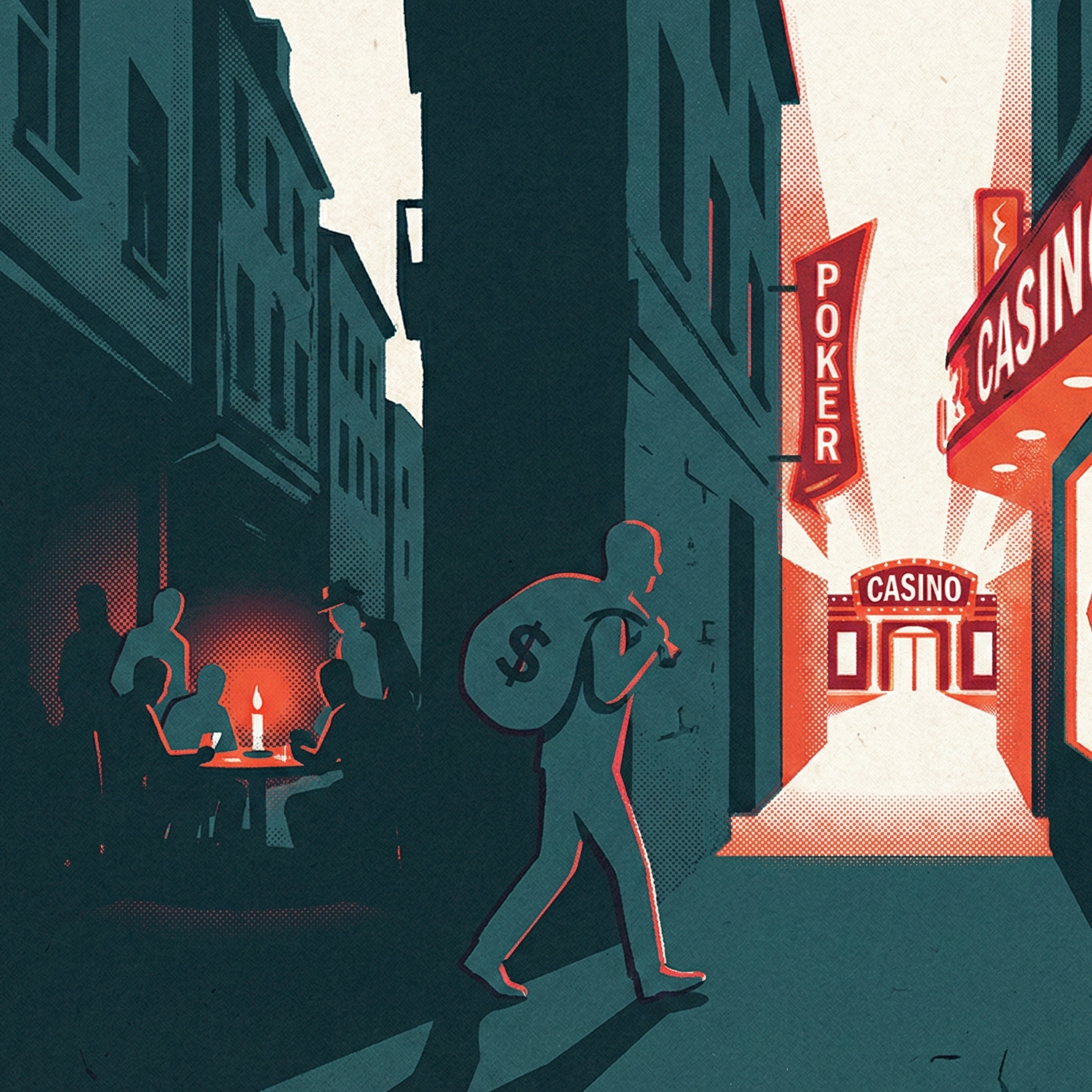
There’s a conversation happening in high-stakes poker circles that nobody’s writing about openly, probably because the people involved prefer it that way. Over the past few years, there’s been a quiet migration: serious players (the kind who used to be fixtures in the Bobby’s Room at Bellagio or the big-game lists at Aria) are disappearing from casino poker rooms. Not quitting. Just… relocating.
I’ve watched it happen firsthand.
So where are they going? Underground games. Private games running out of luxury apartments, members-only clubs, and venues I’m not going to name. The stakes are real, the competition is elite, and — crucially — the rake situation is completely different.
The Rake Problem
If you’ve ever played in a casino poker room, you know how brutal the rake can get. A standard casino might pull 5–10% out of every pot, usually capped somewhere between $5 and $10. That sounds manageable until you’re deep in a session, and you realize the house has extracted thousands of dollars from games you were involved in. Over hundreds of hours, it’s a significant headwind — even for winning players. But the real problem is that maximum rakes have been slowly increasing over the past couple years.
Private games typically run on a seat fee or time charge model, or sometimes no rake at all. The math just works out differently. More of what’s on the table stays on the table.
The Competition Factor
Here’s the thing about casino poker rooms: they’re anchored to whoever walks in that day. The player pool is random. Some nights the game is great. Other nights you’re sitting with recreational players who happen to be variance merchants — the kind of session that’s technically profitable but mentally exhausting.
Underground games, by contrast, are curated. You get in through a network, and that network tends to self-select for serious players. The games I’ve heard about, and the one or two I’ve had the chance to sit in, are more of a mix of WSOP and GTOW play than wannabe Casino Royale and Rrounders.
That kind of environment sharpens you in a way that a random casino session doesn’t.
It’s Not All Upside
Obviously private games carry real risks that casinos don’t. The legal exposure varies by jurisdiction, but in most places, unlicensed poker games exist in a gray area at best. There’s no regulatory body making sure the game is clean. No surveillance. No floor staff to call when a dispute breaks out. The 2019 cheating scandal at Stones Gambling Hall in California — a licensed card room — was a reminder of how badly things can go wrong even with oversight in place. Take that oversight away entirely, and you’re relying entirely on the reputation and integrity of whoever’s running the game.
The safety issue is even more concrete. High-stakes cash games have been robbed. In 2022, an underground game in Albany got hit by armed assailants. This isn’t theoretical. When you’re walking out of a private venue at 3am with winnings in your pocket, you’re exposed in ways that a casino cage and parking structure actually do protect you from.
What This Means for Casinos
The casinos aren’t oblivious to this. Poker rooms have always been more about foot traffic and atmosphere than direct profit — a good poker room keeps players in the building, eating, drinking, playing other games. When the regulars stop showing up, it affects more than just the poker operation.
Some rooms have started experimenting — looser rake structures, private high-limit arrangements, better comps for volume players. But there’s a structural limit to how much a regulated, public business can compete with a private game on flexibility and discretion.
Where It Goes From Here
The honest answer is nobody knows. Online poker has already reshaped the baseline for what serious players consider worth their time. Private live games are doing something similar at the top of the market — pulling the most experienced players toward environments that suit their needs better.
Whether that leads to more regulation, more crackdowns, or just a permanent parallel ecosystem running alongside the casino world, I’m not sure. But the shift is real, and the players making it likely aren’t going back any time soon.